
Can Hollywood Still Tell the American Story?
Author shares why we need movies to celebrate nation's 250th birthday
For generations, America told stories about itself.
Not perfect stories, but stories filled with triumph and failure, courage and contradiction, sin and redemption. Stories that reminded ordinary Americans who they were, where they came from, what had been sacrificed before they arrived, and what kind of people they were supposed to become.
Those stories once came from everywhere.
From the old publishing houses of Manhattan’s literary world. From Tin Pan Alley. From Hollywood at its best. From classrooms, front porches, churches, novels, poetry, film scores, war movies, westerns, biographies, patriotic songs, and family conversations around dinner tables.
The point wasn’t blind nationalism.
The point was inheritance.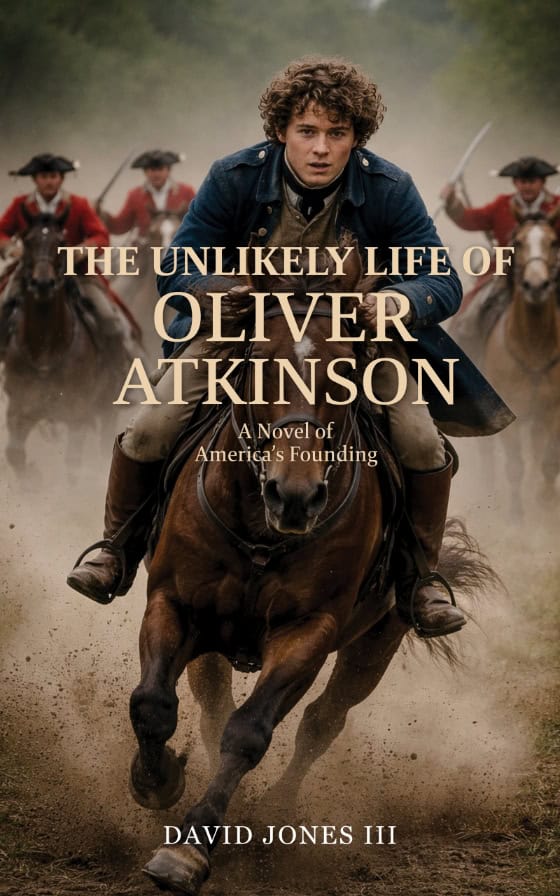
A civilization passes along its values through story long before it passes them through politics.
Which is why I’ve found myself wondering whether many of our major cultural institutions still love America in any recognizable sense at all.
Do today’s artistic gatekeepers still see this nation, despite all its flaws, as something worthy of gratitude, preservation, affection or admiration? Do our films, novels, television shows, popular music and elite literary circles still communicate reverence for liberty, faith, sacrifice, family, courage, service, and the astonishing historical achievement that is the American experiment?
Or have patriotism, constitutional reverence, and traditional faith increasingly become objects of suspicion, embarrassment, satire or deconstruction?
These questions are not imagined.
For years, surveys have consistently shown a significant ideological divide between many Americans and the entertainment industry itself. Researchers at USC’s Lear Center have documented the influence entertainment media has on public attitudes and social perceptions, while broader polling continues to show large portions of the country believing major entertainment institutions lean culturally and politically in one direction.
That doesn’t mean artists should produce shallow propaganda or government-approved patriotism. Great art requires honesty. America’s story includes profound failures and egregious sins alongside extraordinary achievements.
Mature patriotism should be able to acknowledge both. But somewhere along the way, much of modern culture stopped distinguishing between honest critique and reflexive contempt.
And that matters.
Because culture does not merely reflect society. It helps shape it.
Why Hollywood Matters in the Big Picture
Hollywood, publishing, music, television, literature, and art do not simply follow cultural norms; they actively participate in creating them. They influence what societies celebrate, mock, admire, desire, reject, normalize, and aspire toward. They shape moral imagination. They help determine whether younger generations feel connected to their civilization or alienated from it.
For decades, some of America’s finest artistic works understood this instinctively.
The greatest American films, novels, songs and stories often carried a quiet confidence in the country itself, not because America was flawless, but because it was striving toward something larger than power, tribalism, or cynicism. There was an understanding that freedom was rare. That self-government required virtue. That faith, sacrifice, courage, and civic responsibility mattered.
Even when older films or novels criticized America, they often did so from within a deeper framework of belief in the nation’s underlying promise and goodness.
Today, that confidence feels weaker.
Irony has replaced reverence. Cynicism often passes for sophistication. Patriotism is frequently portrayed as simplistic while anti-American sentiment is treated as intellectually fashionable or morally elevated. Traditional faith is often depicted either sentimentally or suspiciously, rarely with the seriousness, intelligence, or artistic richness it deserves.
And to be fair, Christians and patriots share some responsibility here, too.
The Faith-Based Genre Suffers from Growing Pains
Too often, faith-based or patriotic entertainment has settled for safe messaging while neglecting artistic excellence. Sometimes the storytelling lacks confidence, subtlety, complexity, beauty or emotional depth. Audiences can sense when art exists merely to deliver a lesson instead of telling a compelling human story.
The truth is that great art requires conviction and craftsmanship.
The old Hollywood epics, great American novels, sweeping historical films, timeless patriotic songs and morally serious dramas worked because they believed in what they were saying without sacrificing excellence. They understood that stories change people emotionally before they ever persuade them intellectually.
Which raises another question: Have we simply forgotten how to tell these stories well?
Have we allowed history itself to become lifeless? Reduced to marble statues, disconnected dates, shallow slogans, and classroom memorization stripped of human emotion? Many tell me learning history is like eating dry oatmeal. I assure them that real history is flavorful and anything but boring!
It is filled with desperate people making impossible choices under enormous pressure. It is filled with courage, betrayal, sacrifice, faith, weakness, perseverance and redemption. The American story includes horrors and heroism alike.
- Slavery and abolition
- Division and reconciliation
- Failure and reform
- World wars fought against monstrous evil
- Humanitarian aid delivered across oceans
- Scientific breakthroughs. Economic freedom that lifted millions
- Religious liberty unlike most of human history had ever known
People did not flood to America for generations because it was perfect. They came because even imperfect freedom was still extraordinary compared to much of the world.
As America’s 250th birthday approaches, I found myself wrestling with many of these questions personally.
And somewhere in that process, I realized I may have allowed some of the wonder of America’s founding to drift too far into abstraction myself.
So I began researching again.
Then eventually, I sat down and wrote a novel.

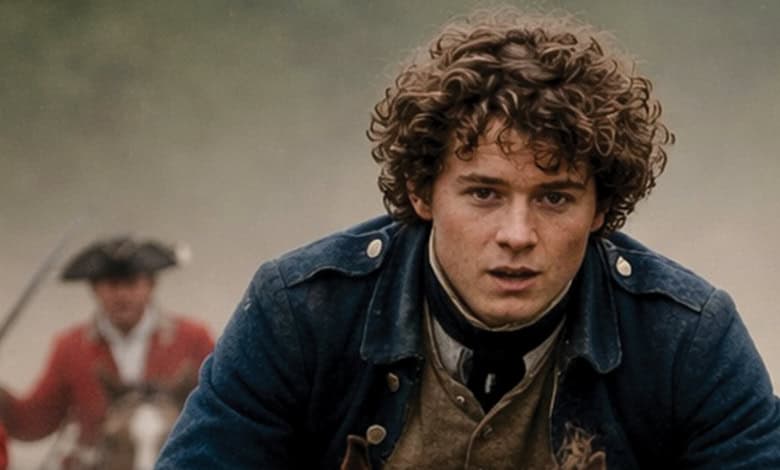
“The Unlikely Life of Oliver Atkinson” tells the story of a runaway indentured orphan who arrives in colonial America aboard The Beaver – one of the actual ships raided during the Boston Tea Party. Eventually taken in by Paul Revere and immersed in the culture of the Sons of Liberty, Oliver experiences both a spiritual awakening and an American awakening against the backdrop of the Revolution itself.
But the deeper reason I wrote it had little to do with nostalgia.
I wrote it because I wanted history to feel alive again.
I wanted readers to experience the founding not as frozen mythology or political propaganda, but through the eyes of someone vulnerable, uncertain, frightened, hopeful, and searching for meaning. In many ways, Oliver himself mirrors the colonies: young, unformed, lacking representation, struggling to understand freedom, identity, sacrifice and purpose.
That is where storytelling still matters.
True history honestly told keeps the patriotic fires burning far better than slogans ever will.
And faith matters too.
Regardless of modern discomfort around the subject, it is impossible to seriously study early America without recognizing the enormous role biblical thought played in shaping the moral framework of the nation. Locke, Montesquieu, and Paine mattered enormously. But so did Scripture. So did sermons. So did the belief that rights came not from governments, but from God Himself.
That influence shaped the founders far more deeply than many modern retellings are comfortable admitting.
Neither China-like Messaging Nor Self-Hatred on Parade
America does not need sanitized propaganda as it approaches 250 years. But neither does it need endless cultural self-loathing masquerading as sophistication.
What we need are truthful stories. Rich stories. Human stories. Stories capable of holding complexity without abandoning gratitude. Stories that remind us we inherited something rare, fragile, flawed and still profoundly worth preserving.
Perhaps if our art once again reflects the best of the American spirit – courage, humility, sacrifice, faith, perseverance, liberty, redemption – it might not divide us further, but help call us back toward one another.
Toward memory.
Toward gratitude.
Toward what Lincoln called “the better angels of our nature.”
And perhaps, with Providence still guiding imperfect people as it always has, America’s next great era of literature, music, film, and storytelling is still ahead of us.
David Jones III is a historical fiction writer living in Myrtle Beach, SC. His book is available on Amazon. www.davidjones3.com.
Did Oliver know Johnny Tremain? They were both apprenticed to Paul Revere and had exciting Revolutionary War exploits.
Wonderful Idea! One historical figure who has an amazing story is Robert Smalls. His story needs to be told and it would be epic.
Amen, David! Would that more writers were like you.