
The movie year of 2026 is nearly over, and there are a handful of standouts that were missed or, far worse, not on the radar for many.
Some of the best film experiences of any year come from discoveries, specifically the films that come with good word of mouth but little to no hype, or the possibility that they will stay with us and connect.
Here is “Blue Heron,” a jewel of a film that reminded me of how deeply films can impact us and leave us somehow feeling changed when it ends.

Writer/director Sophy Romvari’s “Blue Heron” is one of the best films ever made about dealing with the trauma, regrets and hard lessons gained from childhood. Romvari’s directorial debut finds exactly the right way to tell a difficult story and allow the audience to reflect on their own past and engage with the dramatization here.
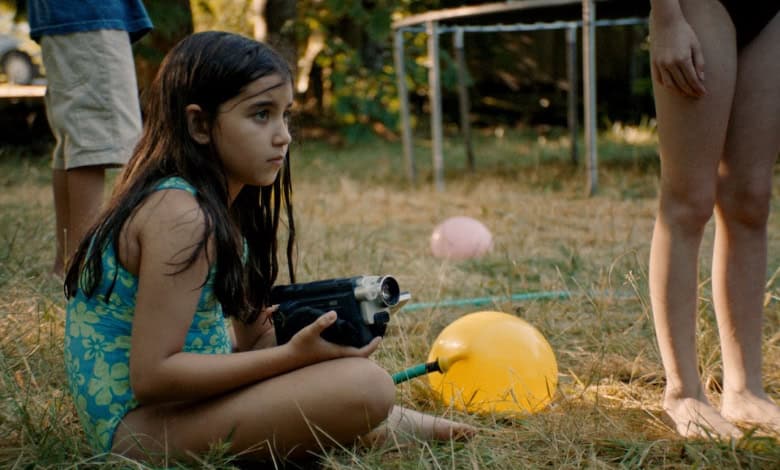
The Canadian/Hungarian drama follows a Hungarian family that moves to a home on Vancouver Island. The protagonist is the young Sasha (Eylul Guven), who observes her oldest brother, Jeremy (Edik Beddoes). While the family adapts to a new way of life, the clan struggles with Jeremy’s behavior.
The moments where Jeremy connects with his siblings and parents become fewer and fewer, as his behavior suggests bigger issues that his parents don’t know how to fix, let alone address.
The second act reintroduces us to Sasha (Amy Zimmer), now grown up and working on a video project. As the adult Sasha meditates on her childhood, matured feelings and understanding for Jeremy in the present. The project allows Sasha, in a way both literal and metaphorical, to return to the time of her past and reach out to Jeremy in a profound way.
“Blue Heron” is a compassionate, incredibly sad drama that avoids exploitation or in-your-face melodrama. That it avoids heavy-handedness and the expected unpleasantries that could arise in such a story is a real surprise.
Instead, we see the tender, tortured way the filmmaker still remembers her deeply troubled brother.

The early scenes summons a mounting dread, as we sense the foreshadowing, as the good moments create a lull before something bad happens. Once we get past the tough but involving first act, it becomes about reflection, as Sasha doesn’t just become a case worker but becomes capable of newfound empathy and understanding.
The film’s clever climax, which I won’t describe, is both surreal and extremely powerful, and had me in tears the entire time. The closing moments give the doomed brother a literal voice, a touch that is among the film’s most triumphant.
As Sasha is creating art to provide personal closure, the film ends on a note that is honest and hard earned. There’s no forced uplift here, just a means of paying tribute to someone not remembered or loved by many.
All of the performances here are excellent and a pivotol interview with Sasha’s parents plays like a high-stakes interrogation from a thriller, with some amazing cinematography to create perspective and suspense.
We all know how cinema can be used as an act of revenge. Here, “Blue Heron” creates an understanding of how a sister grew to know and love her brother, an act of filmmaking that couldn’t be more personal or worthwhile.
This is one of the best films of 2026.
Four Stars (out of four)
Gonna have to check this out.