
What We’re Missing in Fight Against Human Trafficking
'Still Hope' continues conversation started on screen by 'Sound of Freedom'
Human trafficking is a hidden issue that impacts communities across the nation and globe.
It is a sick and twisted business that holds men, women and children captive against their will, taking place across all ages, genders and socioeconomic groups.
The issue of trafficking has received its fair share of attention in the film industry; however, there is a deeper story to tell. While many films have been successful in raising awareness of the issue at large, they often overlook an important aspect: recovery after rescue.
As a film producer, I have the privilege of bringing stories to life and shining a light on both issues and narratives that deserve to be seen, heard and understood. That purpose became deeply personal when I was introduced to the story of two courageous women who not only experienced the unimaginable pain of human trafficking but overcame their circumstances—and braved the road of recovery.
Recovery in the context of human trafficking is complex.
What happens after individuals are removed from their traffickers often determines their immediate next steps, but most importantly, their future. As I learned more about the recovery process, a group of storytellers, passionate advocates and I found that this critical part of the journey needed to be brought to the surface—and so, “Still Hope” was created.

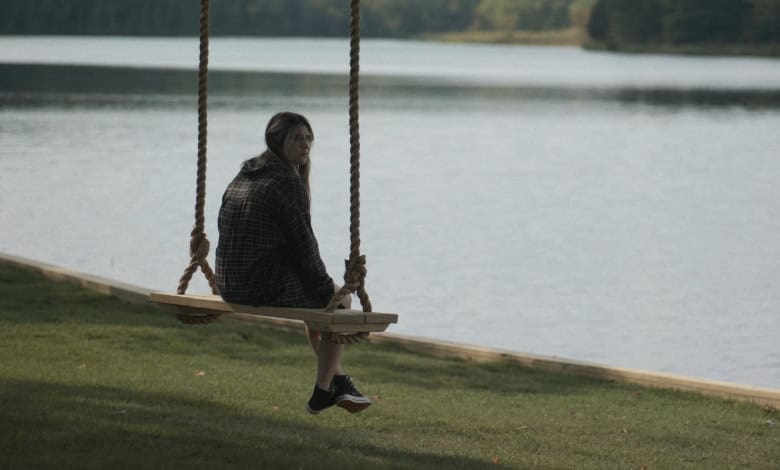
Through the medium of film, we set out to share the real-life stories of these two young women, portrayed through the character of “Hope.” Her story begins in a small, quiet town where crime is nearly nonexistent.
What started as a fun date with a crush turned into Hope’s worst nightmare. Taken against her will, Hope found herself in an unthinkable situation.
As the story goes on, Hope is eventually rescued from her captors and begins the difficult journey of healing. Unfortunately, this pivotal moment is where many stories conclude… and the cameras stop rolling.
However, freedom is just the beginning.

For many individuals on this journey, healing does not happen overnight. Months, even years after rescue, deep emotional and mental wounds linger.
The aftermath of such trauma can feel overwhelming, and often times unending. Yet, with the right tools, resources and intentional support, restoration is possible.
In the film, Hope’s story reveals two critical aspects of the recovery process: the restorative power of forgiveness and the life-changing gift of community after rescue.
In the face of such unimaginable pain, forgiveness can feel impossible. Yet for many who have walked this journey, forgiveness becomes the beginning of true hope and healing.
To be clear, forgiveness does not excuse or dismiss the wrong that was done; it does something far more powerful. It is a courageous step toward freedom—an internal, deeply personal decision that reshapes the heart and mind.

Likewise, community is essential to healing. Survivors of human trafficking need someone to lean on when things get tough. Most importantly, they need someone who is willing to show up daily for them, providing much more than support alone, but friendship and companionship.
By confronting every part of the recovery process, Hope began to rebuild her life and reclaim her identity. Through community, having the courage to face her deepest wounds and her willingness to forgive, healing and transformation were possible.
Please hear me—rescue is worthy of celebration.
It is important not only to honor those who were rescued but also to call attention to the courageous men and women who fought tirelessly for their freedom. Yet healing does not happen at that exact moment.
Long-term support is essential, because for many survivors, deep physical, emotional and psychological scars remain long after rescue. If left without support, the consequences can be grave.
Today, we must call greater attention to what happens after human trafficking because support is life-altering for individuals who have walked this difficult journey. We must also acknowledge and champion the numerous volunteers and advocates who sacrifice their time and energy to this type of work.
Without compassionate individuals lending a helping hand, the road to recovery would be even more difficult.
If we are truly committed to addressing human trafficking—and ultimately eradicating it—we must shine a light on every stage of the process, including recovery. Awareness must extend beyond the moment of rescue and encompass the full journey toward restoration.
By highlighting this critical step of the process, we not only honor survivors currently healing but also build a foundation of support for those who will require our help in the future, showing them that there is still hope.
Bethany Johns is co-owner of Studio 523 and producer of “Still Hope,” a feature film based on true stories of courageous women who have walked the complex journey toward finding redemption, healing and forgiveness after sex trafficking. For more information, visit stillhopemovie.com and stillhopemovie.com/resources.
“Still Hope” is playing in theaters Feb. 7-8 via Fathom Entertainment.