
Why Hollywood Should Listen to Sylvester Stallone
Screen legend shares sobering advice when industry needs it most
Some actors snag a hit TV show and never find fame again.
Others work for years in relative obscurity, just happy to be employed in a brutal industry. The very, very few find fame and never let it go.
Like Sylvester Stallone.
The Hollywood legend was a nobody, much like his on-screen surrogate, Rocky Balboa, in the mid-1970s. He penned a killer screenplay and refused to let Hollywood make a movie out of it unless he got the starring role.
“I Play Rocky” captures that all-American saga.

The rest is Hollywood history.
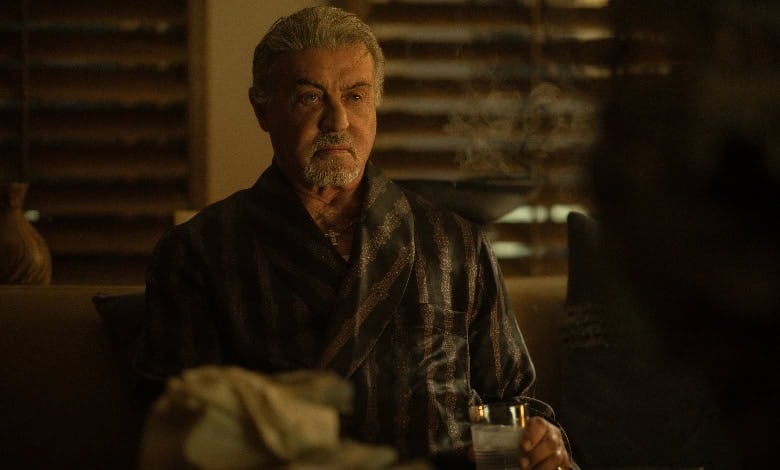
At 80, Stallone hardly resembles a nostalgia act. He’s been working steadily over the past decade, and his Paramount+ series “Tulsa King” shows his star power has yet to dim.
He’s enjoying renewed fame thanks to both “I Play Rocky,” a likely Oscar contender, and the re-release of his 1976 breakthrough film. “Rocky” is in select theaters now through Nov. 11.
How did he do it? What allowed a musclebound action hero to stay in the spotlight so long?
Talent, for starters. He’s also written and directed some of his more popular films, like multiple chapters in the “Rocky” and “Rambo” franchises.
And he knows what Americans want to see on screen. That connection to the movie going public ensured his fame never faded to black. (Clint Eastwood offers another rugged example of this phenomenon)
So when Stallone offers Hollywood some advice on how to maintain its pop culture dominance, studio types should sit up and listen.
But will they?

Stallone spoke this week to “The Rest is Entertainment” podcast on what Hollywoodhas lost in recent years.
“It’s very, very important because that audience [Middle America] was ignored for centuries, it seems, since John Wayne.”
The actor/director credited “Tulsa King” creator Taylor Sheridan for bucking that trend. The mega-producer is responsible for a series of TV smashes, including “Landman,” “Yellowstone” and “Lioness.”
How? Sheridan tells the stories his peers won’t even touch, according to Stallone.
“[Sheridan] really mined a consciousness, like, ‘Oh, we forgot about that guy in the middle of America.’ They’re always writing about California and New York … But Middle America, it’s a different vibe.”
Sheridan and Stallone made for a near-perfect match.
Ironically, the upcoming fifth season of “Tulsa King” finds his character, Dwight “The General” Manfredi, returning to the Big Apple after creating a new empire in Oklahoma. Still, the Sheridan approach clicked with audiences for a simple reason, Stallone says.
“People were starving for it. It’s like a simpler world and more, I would say, confrontational?”
Now, we shouldn’t discount stories set on the coasts. Nor should storytellers ignore smaller communities or characters who live on the edges of society.
Ignoring a large swath of the country was a mistake. Stallone and Sheridan realized the error of their industry’s ways and did something about it.