
‘Rental Family’ Shows Other Side of Class Divide
Brendan Fraser film, plus 'Good Fortune,' provide perfect double feature
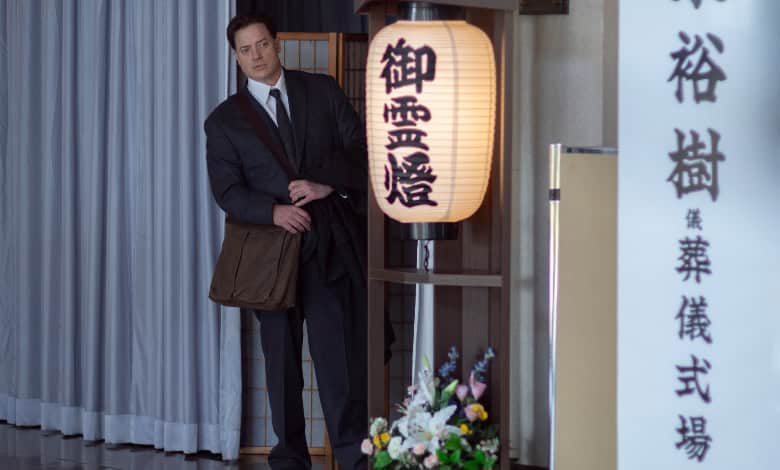
“Rental Family,” the latest from acclaimed director Hikari, offers a tender and nuanced look at a group of people whose lives often aren’t fairly represented on the silver screen: the very wealthy.
In the United States, it’s common for us to look at the top 1 percent and conclude that their lives must be perfect. We see their mansions, flashy cars and six-figure bank accounts and assume that they must want for nothing.
We conclude that all of that power must make them happy. In fact, the top 1 percent often suffer in ways that we don’t see.
QZ reports that, “most high earners in the US put in 60-80 hours a week.” Spending nights and weekends at the office means that high earners frequently struggle with burnout and the loss of relationships.
In “The 5 Types of Wealth,” former investment banker Sahil Bloom describes five different types of wealth that he says are necessary to human flourishing: time wealth, social wealth, physical wealth, mental wealth, and financial wealth. Many high earners, he suggests, struggle in all but the last type.
Financial wealth cannot make up for the lack of Bloom’s other types of wealth: a study on what makes us happy published in The Journal of Socio-Economics found that people would need to earn an extra $150,000 per year in order to receive as much additional happiness as they would from cultivating just one more close friend. Financial wealth, if not paired with strong relationships and physical health, is often nothing more than a gilded cage.
“Rental Family” shows us this bleak reality.

The film stars Brendan Fraser as an American actor in Japan working for a firm that rents out actors and actresses to play vital emotional roles in wealthy folks’ lives. Fraser attends the mock funeral of one young man, who has paid a beautiful girl to wax poetic about their romantic relationship.
He speaks to a famous Japanese actor who laments the fact that he never spent much time with his daughter. Faser is even hired out to play video games with a wealthy shut-in.
The latter scenes are short but worth meditating on: how lonely does a person have to be in order to pay a stranger to come to their house and play video games with them?

All of this matters because the class divide in America can feel like one of the ruptures that’s tearing our great country apart. According to a poll by the libertarian Cato Institute, 52 percent of young Americans believe that “most” wealthy Americans got their wealth “by taking advantage of other people.”
Forty-four percent agree with the statement “I feel angry when I read or hear about very rich people,” and 35 percent support ordinary citizens taking “violent action” against the rich in certain situations.
Many conservative (and wealthy) commentators feed class division in the other direction too, by insisting that poor people are untalented, lazy, or simply immoral.
Perhaps what’s needed to heal this divide is empathy.
Aziz Ansari’s directorial debut, “Good Fortune,” came out earlier this fall. The comedy offers a tender and nuanced look at the economic burdens of the very poor.
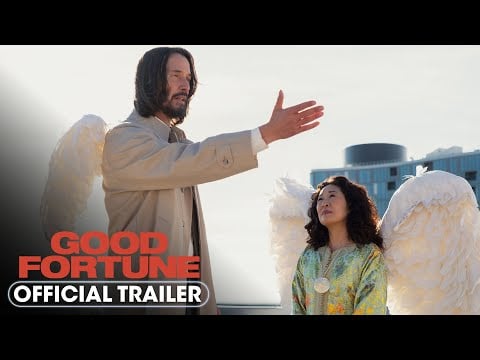
A lot of these folks aren’t lazy or immoral; instead Ansari shows us that they’re good, hard-working Americans who have been dealt a bad hand. What if we watched “Good Fortune” and “Rental Family” together; the former to understand the economic burdens of the very poor, and the latter to understand the social and psychological burdens of the very wealthy?
What if, wherever we are on the economic ladder, we practiced putting ourselves into the shoes of those Americans who live on a different rung?
An exercise like that might cultivate the shared empathy that could help us to heal the class divide. Most of us, rich and poor, are struggling. Perhaps what we need is to come together to see each others’ burdens—and to help each other to carry them.
Author Bio: Julian Adorney is the Editorial Manager of Bridge Entertainment Labs. He’s written for Quillette, City Journal, Reality’s Last Stand, MSN, the Foundation Against Intolerance and Racism, Builders, and other outlets.