
2025: The Year Late-Night TV Collapsed
Colbert canceled, Kimmel benched and Gutfeld stayed the course
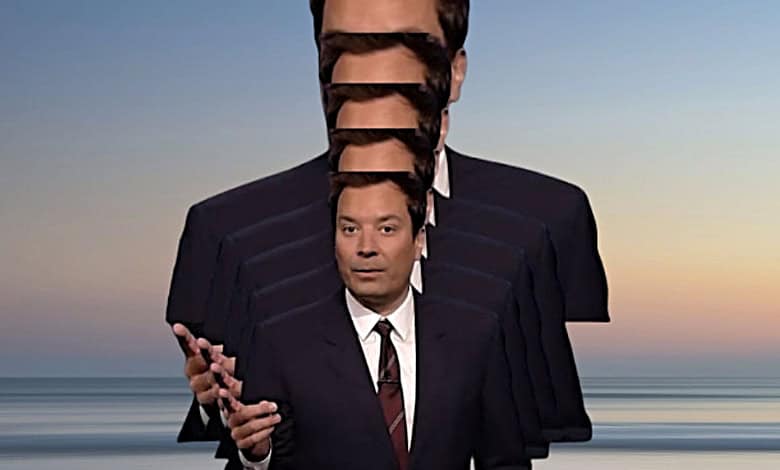
Remember the late-night TV wars?
Rivers. Miller. Johnson. Chase. Hall. Sajak. Thicke. Sykes.
Many tried to walk in Johnny Carson’s shoes. Few succeeded. Some, like Chevy Chase, called it quits after six brutal weeks. Others, like Arsenio Hall, burned brightly before calling it a late-night career.
Still, the format endured for decades with a few lucky souls carving out crowds big enough to keep them employed.
- Stephen Colbert
- Jon Stewart
- Jimmy Kimmel
- Seth Meyers
- Bill Maher
- John Oliver
Why? They made money, for starters. And, perhaps more importantly, they pushed the “right” ideology in their shows.
Now, as Hollywood continues to contract on several fronts, late-night shows are not as sustainable as in the past.
Colbert found that out the hard way in July. CBS announced Colbert’s “Late Show” gig will end in May of 2026. Even more dramatic? No one is slated to replace him. “The Late Show” will end as Colbert signs off.
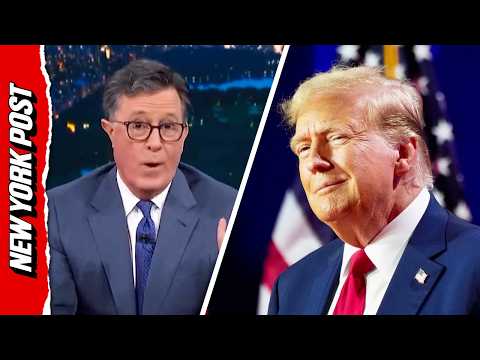
The shocking part? Reports said the show was costing CBS roughly $40 million a year. Why would any business take that kind of a fiscal drubbing in the first place?
That came on the heels of “The Tonight Show” shrinking from five nights a week to four, “Late Night with Seth Meyers” losing his house band and several late-nighters losing their gigs.
Period.
Think Samantha Bee, Desus & Mero, Trevor Noah, James Corden and Amber Ruffin.
That, plus news that late-night TV revenues have plunged in recent years (along with their audiences), suggested Jimmy Kimmel’s prediction might come true faster than he anticipated.
Late-night TV has much less than 10 years left. This year proved it.
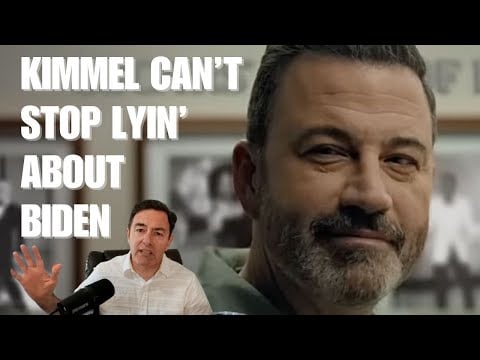
Kimmel nearly took his own show down. The far-Left host suggested Charlie Kirk’s killer was part of the MAGA movement without evidence or a shred of logic.
ABC/Disney sent him the bench for a week before he returned sans apology. He cried, again, but not for misleading viewers.
The Hollywood Left and the media rallied on Kimmel’s behalf, and he returned to the show to spread more misinformation.
Meanwhile, Fox News’ “Gutfeld” continued to out perform the competition on a smaller budget (and, admittedly, an earlier time schedule). That proves there’s a market for a right-leaning audiences ignored, or insulted, by the current late-night landscape.
The future doesn’t look bright for the late-night survivors. Kimmel’s contract ends in May, but he’ll likely sign a new deal before then. ABC proved it couldn’t force Kimmel to apologize for spewing misinformation, and Hollywood would rise up, en masse, anew if ABC/Disney let Kimmel walk.
Does it matter if “Jimmy Kimmel Live!” might be losing money a la Colbert? It’s clear money isn’t the deciding factor anymore given what CBS endured for far too long.
It doesn’t ultimately matter. The late-night talkers showed their cards in 2025. They’re all parts of the DNC at this point, sometimes literally.
Let’s not forget both Kimmel and Colbert literally hosted fundraisers for President Joe Biden last year, throwing away their objectivity and ignoring the leader’s obvious cognitive decline.
The last 12 months have shown, even to casual pop culture observers, that the late-night format is political to the bone. The laughs come second to the lectures.
Sometimes a distant second.
Colbert and Kimmel doubled down on their anti-GOP bias. Meyers remains a doggedly political force, and that was before President Trump’s crude call for NBC to yank him and his TDS showcase.
Oliver continues to push progressive talking points from his HBO perch. Jimmy Fallon keeps peddling a lite version of Resistance Comedy to a dwindling audience. The only exception? The night Fallon invited Greg Gutfeld on his NBC showcase.
The only real change has been via “Real Time with Bill Maher.” The HBO talk show offers a more fair and balanced take on liberal satire, although it hasn’t dramatically increased the show’s ratings. (His reach did expand in 2023 when CNN began rebroadcasting his HBO show).
More consumers get late-night style content from podcasts and YouTube-based shows in the 2020s. Think “The Tim Dillon Show,” “The Boyscast” with Ryan Long and Danny Polishchuk and Andrew Schulz’s “Flagrant.”
That is the future of late-night-style programming. Kimmel and co. will soon be its past.
I think one of the reasons ABC/Disney will continue to tolerate Kimmel and his losses is that they use that show to help promote their movies when they come out. Even if it is losing 40 million a year they may be able to justify it for the marketing it generates.